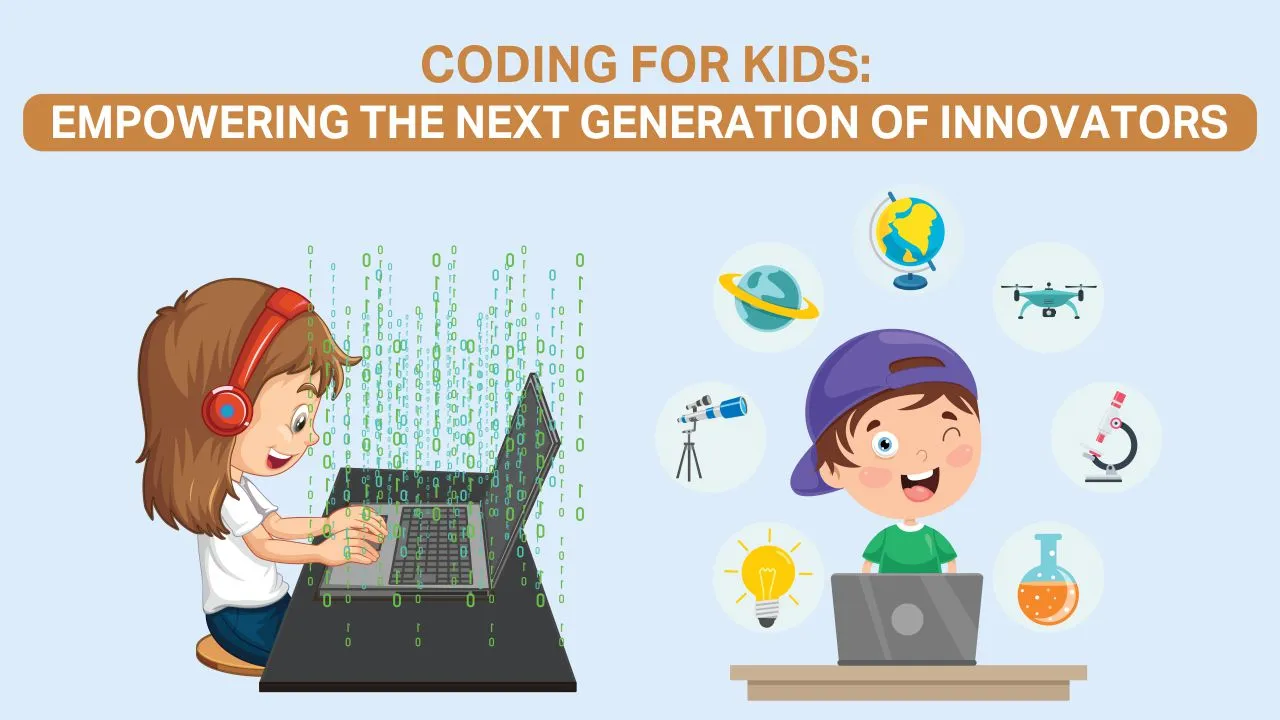
In the ever-evolving digital age, coding for kids has become an essential skill, akin to reading and writing. It’s not just for aspiring software engineers; it’s a tool for creative expression, problem-solving, and understanding the world. This is especially true for children, who can greatly benefit from learning to code from a young age. Here’s why coding is invaluable for kids and how to get them started.
Importance Of coding for kids?
Unleashing Creativity
Coding empowers kids to create. Whether it’s building a simple game, designing a website, or programming a robot, coding turns abstract ideas into reality.
Enhancing Problem-Solving Skills
coding for kids lets them understand how to break down complex problems into smaller, manageable parts. This approach is not just vital in programming but is a critical skill in everyday life.
Preparing for the Future
In a world where technology is integral to almost every industry, understanding the basics of coding is increasingly important. It prepares kids for a wide range of careers and opportunities.
Developing Persistence
Learning to code involves overcoming challenges and learning from mistakes. This instils resilience and the understanding that failure is a stepping stone to success.
At What Age Should Kids Start Coding?
Children as young as five can begin coding. At this age, the focus is on fundamental concepts like sequences and loops, often taught through games and visual programming languages like Scratch.
Choosing the Right Resources
Online Platforms
Platforms like Code.org, Scratch, and Tynker offer interactive, age-appropriate coding lessons. They often use visual blocks that kids can drag and drop to create programs.
Coding Games and Apps
There are numerous games and apps designed to teach coding in a fun way. Examples include Lightbot, Code Karts, and Cargo-Bot.
Books and Kits
For kids who thrive with hands-on activities, there are books and kits that teach coding through building and experimentation. LEGO Boost and Osmo are popular choices.
Local Workshops and Clubs
Many communities have coding for kids and workshops. These can be great for children who enjoy learning in a social environment.
Tips for Parents
Encourage, Don’t Pressure
Make coding a fun activity, not a chore. Encourage your child’s interest, but don’t force it.
Be a Learning Partner
Even if you’re not a coder, you can learn alongside your child. It’s a great way to bond and encourages a growth mindset.
Celebrate Small Achievements
Coding can be challenging. Celebrate small victories to keep your child motivated.
Integrate Coding with Interests
Connect coding projects with your child’s interests. Love stories? Write an interactive tale. Fascinated by space? Build a space-themed game.
Conclusion
Coding is more than just a technical skill; it’s a new way of expressing ideas and solving problems. By introducing coding for kids, we’re not just preparing them for future careers; we’re equipping them with the tools to innovate and dream. By introducing coding in a fun, engaging, and age-appropriate way, we can help children develop not only technical skills but also critical thinking, creativity, and resilience.